
In the Street vs. On the Street: What Is the Difference & Which Is Correct?
“In the street” and “on the street” are both grammatically correct, but they are not always interchangeable. The difference usually depends on whether you are … Read More
“In the street” and “on the street” are both grammatically correct, but they are not always interchangeable. The difference usually depends on whether you are … Read More

“Adapter” and “adaptor” have the same basic meaning and are often interchangeable. Both refer to something that adapts one thing to another, especially a device … Read More
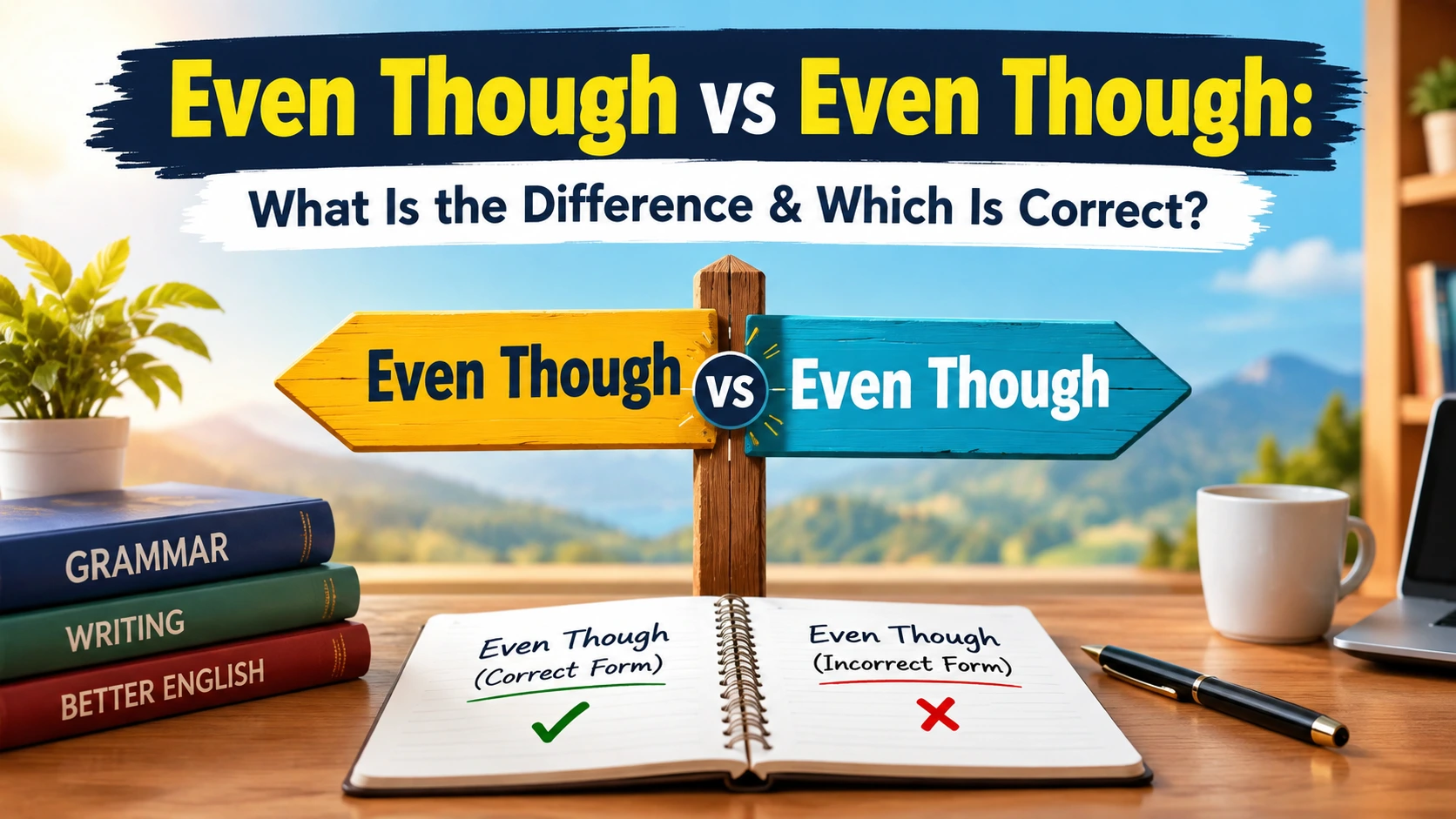
“Eventhough” and “even though” look almost identical, but only one is considered correct in standard English. This comparison explains the difference, shows how to use … Read More

Similes bring ordinary language to life by comparing one thing with another using words such as “like” or “as.” They help readers picture ideas, understand … Read More

Music has the power to express emotions, tell stories, and connect people across cultures. Using similes for music makes your writing more vivid by comparing … Read More

Music has the power to express emotions, tell stories, and connect people across cultures. Using similes for music makes your writing more vivid by comparing … Read More
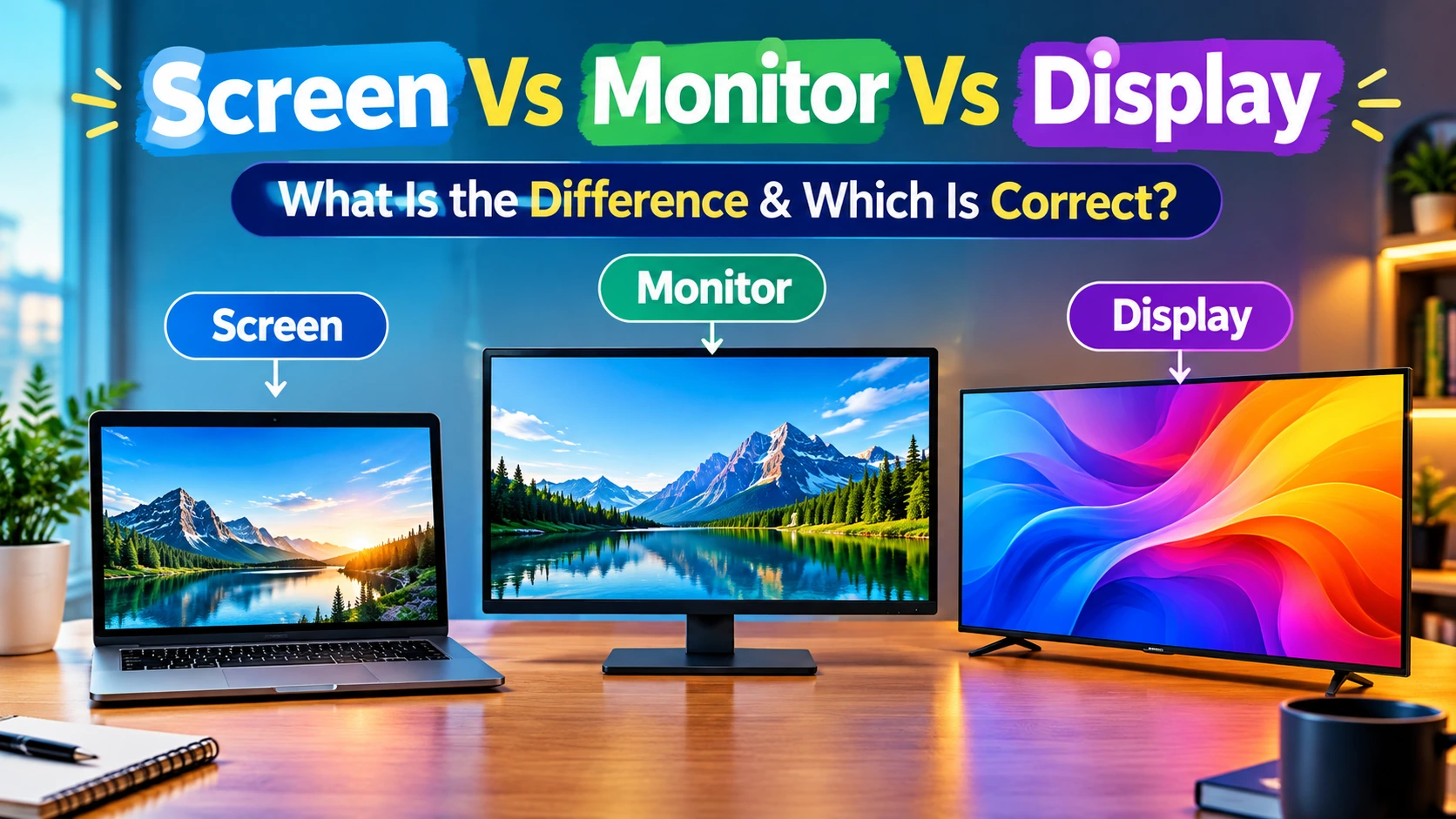
When people talk about computers, TVs, smartphones, or other electronic devices, the terms screen, monitor, and display are often used interchangeably. However, they do not … Read More
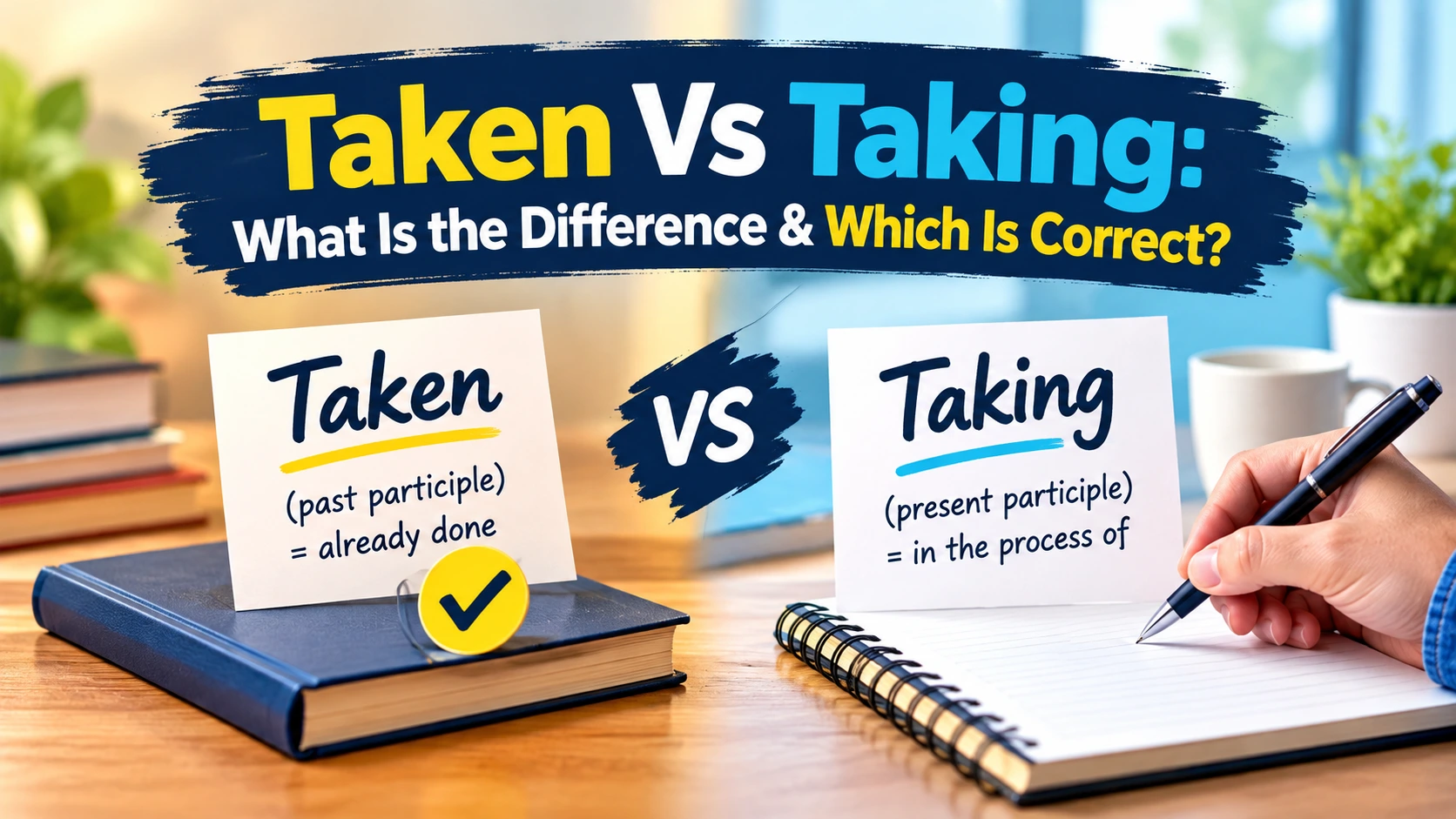
Understanding the difference between taken and taking is essential for speaking and writing correct English. Although both words come from the verb take, they serve … Read More

Being devoted means showing deep loyalty, commitment, and unwavering care toward a person, cause, belief, or goal. Using Devoted Similes makes your writing more vivid … Read More

Language becomes more colorful when you use similes instead of plain descriptions. Similes for inconsiderate help writers describe confusion, poor decisions, or lack of understanding … Read More
Gramvera is a welcoming space for anyone who loves meaningful words and powerful expressions. Our collection brings together thoughtfully selected quotes memorable sayings, and inspiring ideas for everyday life.
Contact Us