
May or Can: What Is the Difference
“May” and “can” are both modal verbs that express possibility, but they often serve different purposes. Understanding the difference between them helps you ask for … Read More
“May” and “can” are both modal verbs that express possibility, but they often serve different purposes. Understanding the difference between them helps you ask for … Read More

“If he was” and “if he were” can both appear in English, but they are not always interchangeable. The main difference depends on whether you … Read More
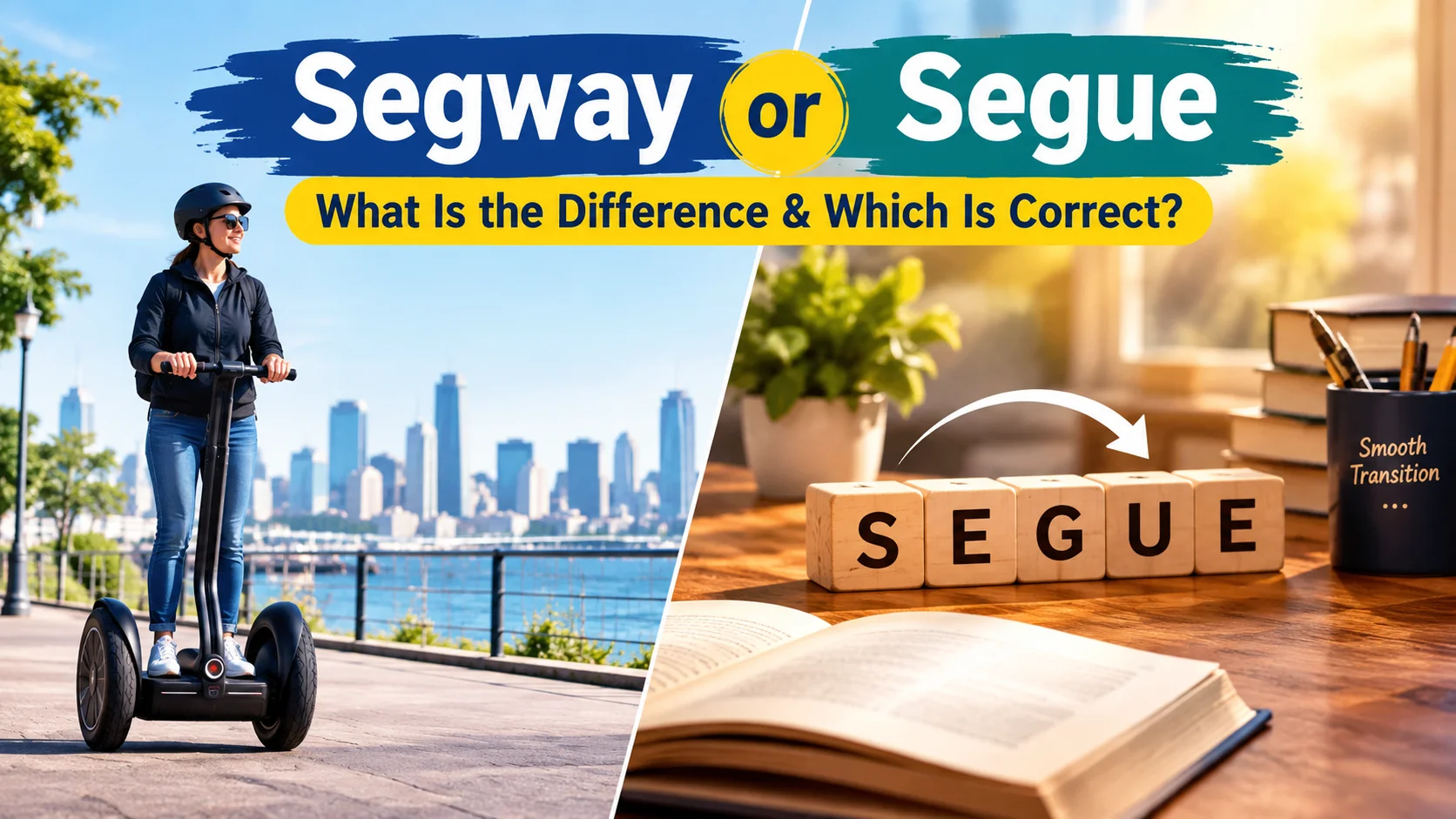
Segway and segue sound almost identical, but they have completely different meanings and uses. One refers to a type of two-wheeled personal transporter, while the … Read More

“Shown” and “showed” are both forms of the verb “show,” but they do not work in exactly the same way. The main difference is grammatical: … Read More

“Did you have” and “did you had” look almost identical, but only one is grammatically correct in standard English. The confusion happens because had is … Read More
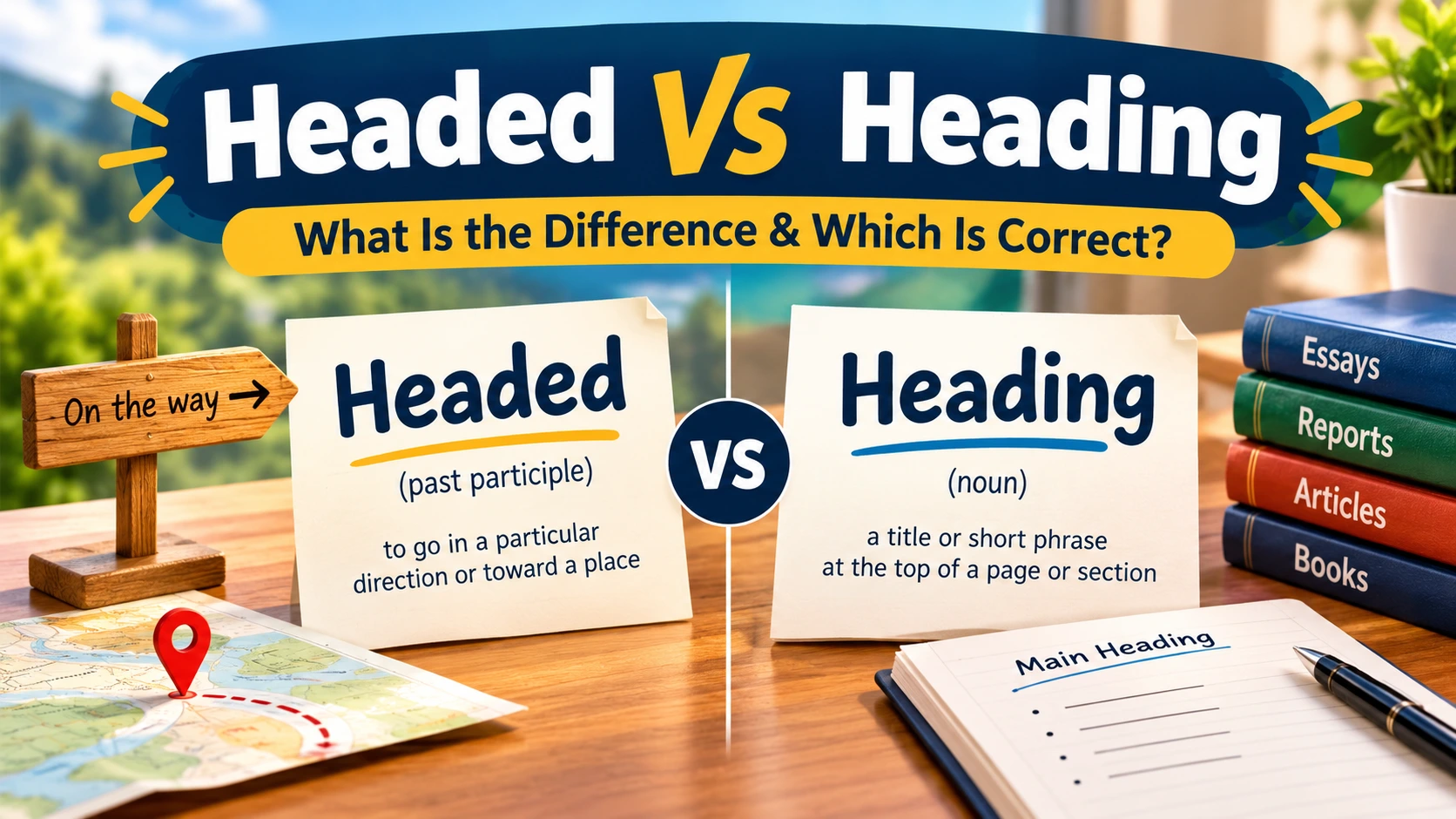
Many English learners confuse headed and heading because both come from the verb head, yet they have different grammatical functions and meanings. Knowing when to … Read More

Learning Simile Examples for Students helps young writers make their sentences more colorful, descriptive, and memorable. A well-written simile creates a clear picture by comparing … Read More

Gramvera is a welcoming space for anyone who loves meaningful words and powerful expressions. Our collection brings together thoughtfully selected quotes memorable sayings, and inspiring ideas for everyday life.
Contact Us