
May or Might: Which Is Correct?
“May” and “might” are modal verbs that express possibility, permission, and uncertainty. Although they often appear interchangeable, they can communicate slightly different meanings depending on … Read More
“May” and “might” are modal verbs that express possibility, permission, and uncertainty. Although they often appear interchangeable, they can communicate slightly different meanings depending on … Read More

Autumn brings golden leaves, crisp air, colorful forests, and peaceful evenings that inspire beautiful writing. The right autumn similes can help you describe these seasonal … Read More

Anxiety can be difficult to explain, but the right simile can make this feeling easier to understand. The best similes for anxiety describe nervousness, worry, … Read More
“Whichever” and “whatever” are both correct English words, but they serve different purposes. Although they can sometimes appear in similar sentences, their meanings depend on … Read More

Confidence can transform an ordinary sentence into something powerful, vivid, and memorable. The best similes for confident writing help readers picture courage, self-belief, determination, and … Read More
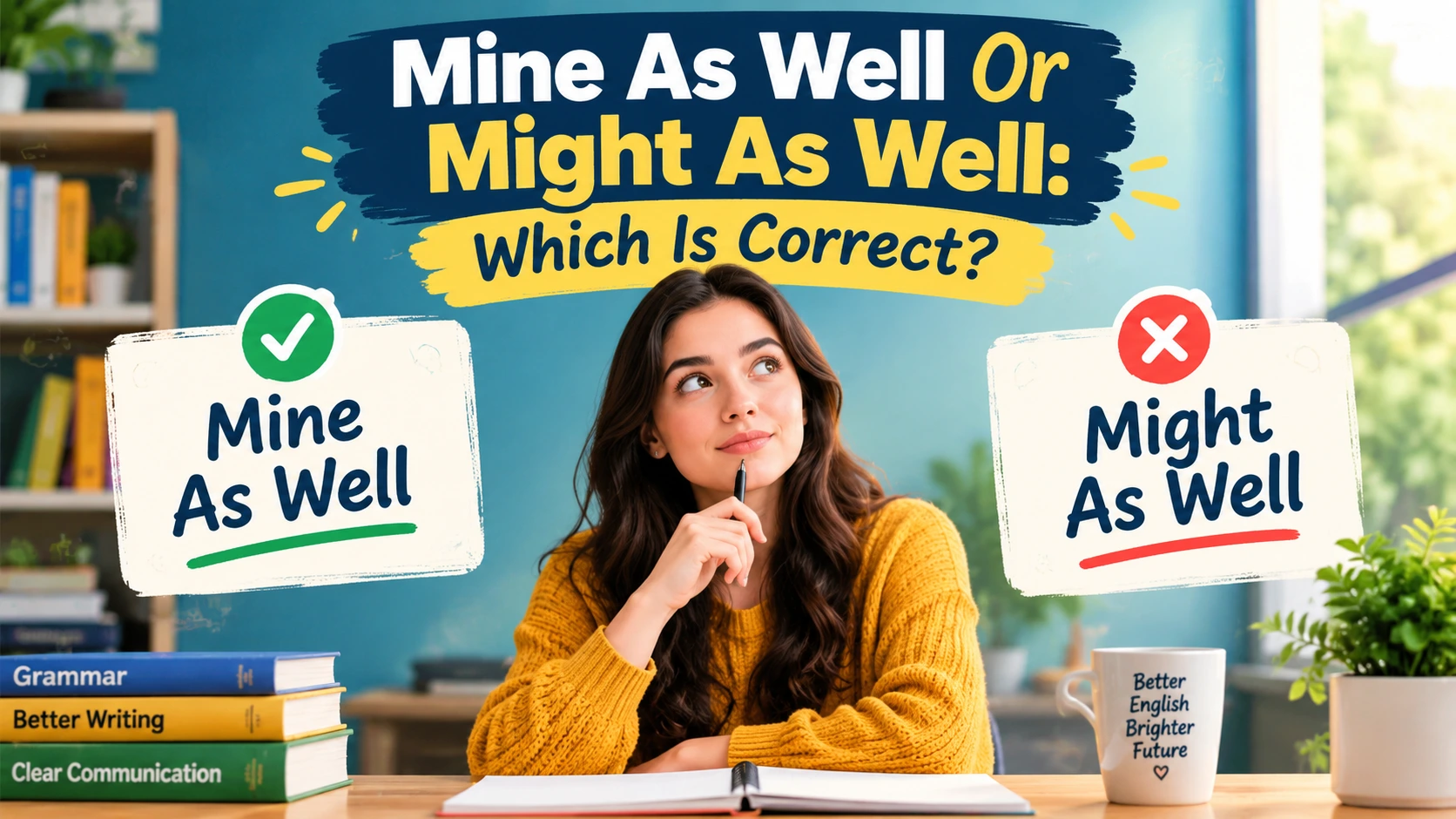
“Mine as well” and “might as well” sound similar, but they have completely different meanings and grammatical roles. One is generally incorrect when used to … Read More
Choosing between simpler and more simple can confuse English learners because both forms can appear in correct sentences. The good news is that the difference … Read More
Red is one of the most vivid colors in language, often connected with passion, love, danger, energy, warmth, beauty, and intensity. Similes for Red help … Read More
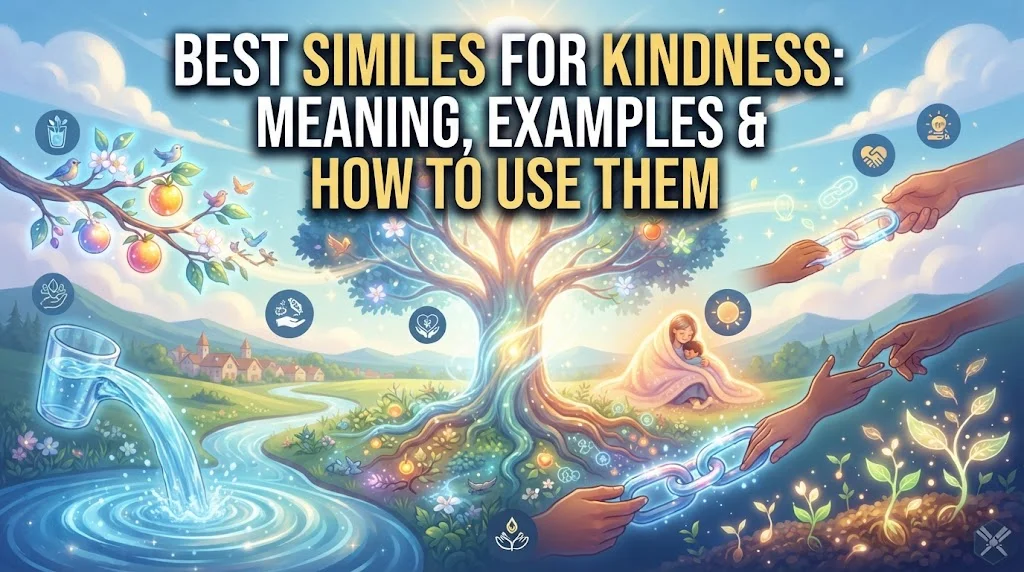
Kindness is one of the most powerful qualities we can describe with words. The best similes for kindness make this beautiful trait easier to imagine … Read More
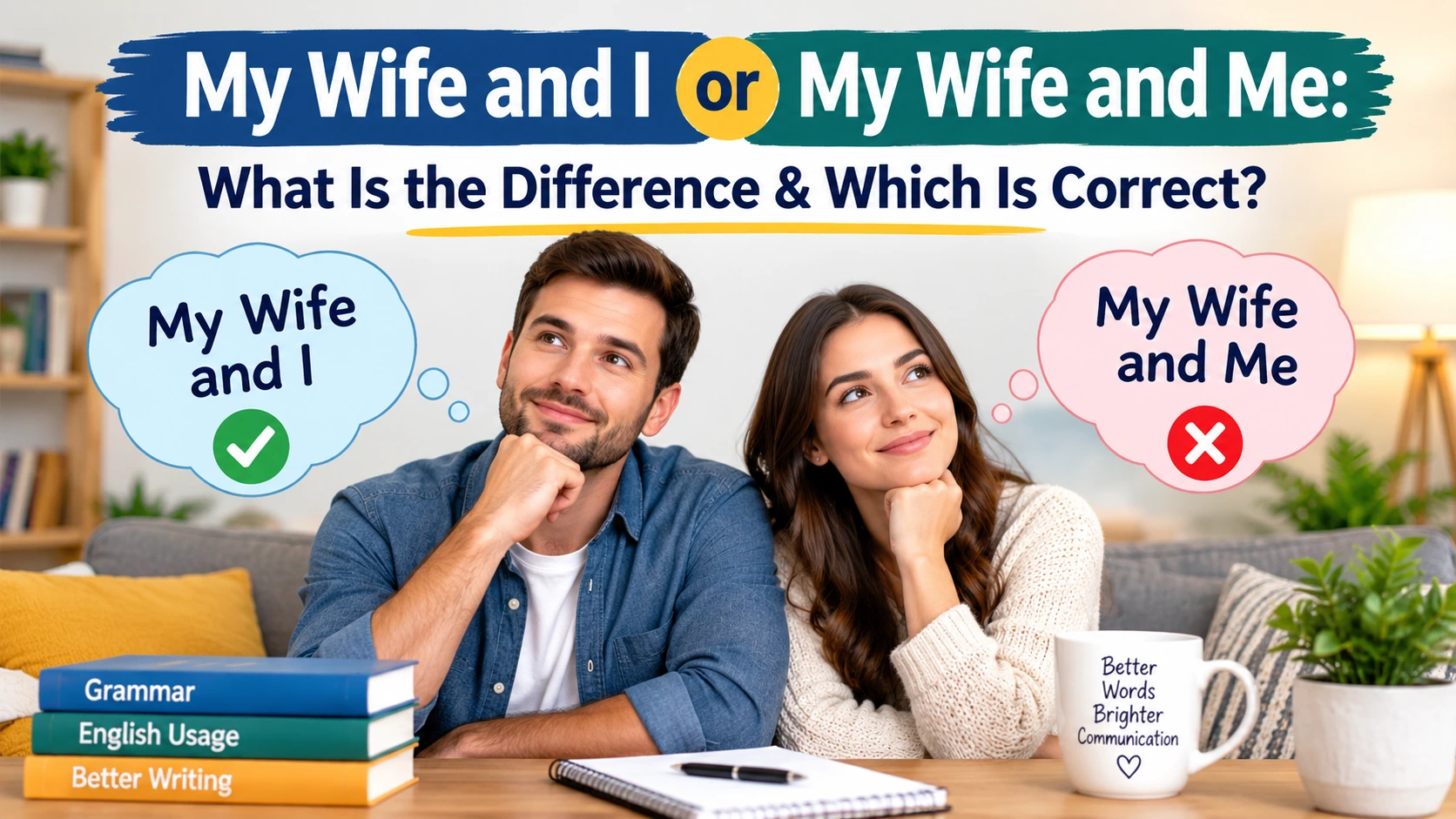
“My wife and I” and “my wife and me” can both be correct, but they serve different grammatical roles in a sentence. The key is … Read More
Gramvera is a welcoming space for anyone who loves meaningful words and powerful expressions. Our collection brings together thoughtfully selected quotes memorable sayings, and inspiring ideas for everyday life.
Contact Us