
Choosing between simpler and more simple can confuse English learners because both forms can appear in correct sentences. The good news is that the difference is easy to understand. Simpler is normally the more natural comparative form, while more simple can also be grammatically acceptable in certain contexts. This guide explains the difference, shows when to use each form, highlights common mistakes, and gives practical examples.
Definition of Simpler Or More Simple
Simpler and more simple are comparative forms of the adjective simple. They describe something that has a lower level of complexity than another thing.
For example:
- “This explanation is simpler than the first one.”
- “This explanation is more simple than the first one.”
Both sentences can be understood, but simpler is generally the more natural choice.
Oxford lists simpler as the comparative form of simple and also states that more simple and most simple can be used. (Oxford Learner’s Dictionaries)
What Is a Comparative Adjective?
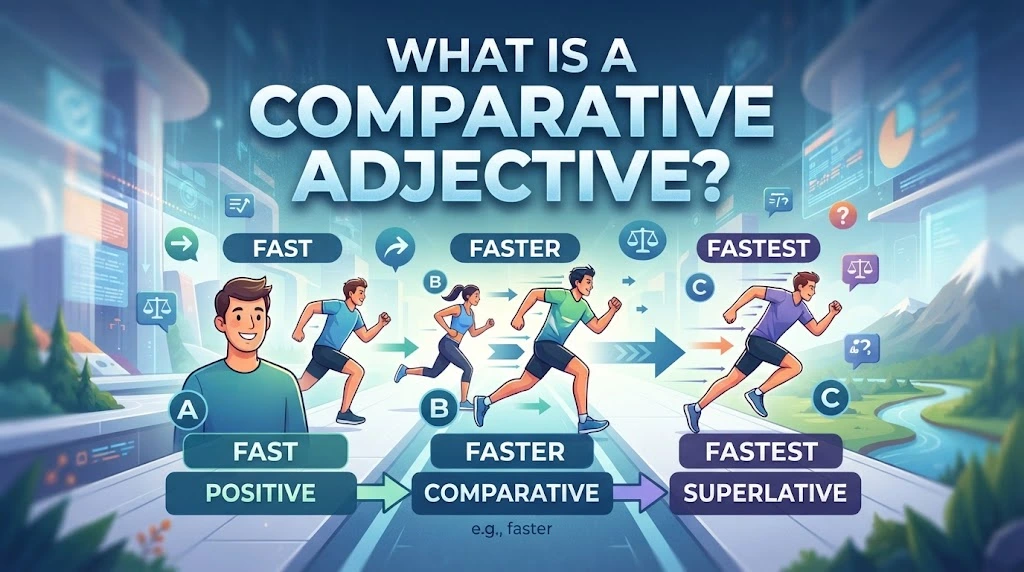
A comparative adjective compares two people, things, ideas, situations, or qualities. It tells readers that one item has more or less of a particular quality than another.
Example
- This method is simpler than the old method.
- Her explanation is simpler than mine.
- The second design is simpler in structure.
- This process seems simpler to understand.
- The new instructions are simpler for beginners.
The comparative form often appears with than when the writer clearly identifies the thing being compared.
Why Use Simpler or Simpler in Writing?
- To compare two levels of difficulty: “This exercise is simpler than the previous one.”
- To improve clarity: “We need a simpler explanation.”
- To describe reduced complexity: “The new system is simpler.”
- To make instructions easier to understand: “Use a simpler method.”
- To communicate efficiently: “The simpler option saves time.”
- To help readers follow an argument: “A simpler example makes the idea clearer.”
- To describe a redesigned process: “The updated process is simpler.”
- To make professional writing more direct: “We need a simpler solution.”
- To explain gradual improvement: “The second version is simpler.”
- To compare alternative approaches: “This approach is simpler than the other one.”
Types of Comparative Usage
There are several useful ways to understand simpler or more simple. The choice depends mainly on grammar, naturalness, emphasis, and sentence structure.
Standard Comparative: Simpler
Simpler is the normal comparative form of simple. It is concise, natural, and widely used in everyday English.
Example
- This explanation is simpler than the previous one.
- We need a simpler solution.
- The new system is simpler to use.
- Her instructions were simpler and clearer.
- This route is simpler for new drivers.
Alternative Comparative: More Simple
More simple is also possible. Oxford explicitly recognizes it, and the British Council lists simple among adjectives that can use either -er or more. (Oxford Learner’s Dictionaries)
Example
- The new design is simpler in structure.
- They wanted a simpler arrangement.
- The explanation became simpler after several changes.
- We need a simpler way to organize the information.
- The second version is simpler and more direct.
In many everyday sentences, however, simpler will sound more natural.
Comparative with Than
Both forms can appear when comparing two things with than.
Example
- This answer is simpler than the previous answer.
- The new process is simpler than the old process.
- Her method is simpler than the traditional method.
- This explanation is simpler than it looks.
- The updated design is simpler than the original.
Writing Tips and Common Mistakes
Useful Tips
- Prefer simpler when you want the most natural everyday expression.
- Use simpler than when directly comparing two things.
- Use more simple only when it fits the sentence’s rhythm, emphasis, or particular context.
- Do not automatically assume that every two-syllable adjective must use more.
- Remember that simple is one of the adjectives that can accept both comparative patterns. (LearnEnglish – British Council)
- Choose simpler for concise, professional, and general-purpose writing.
- Read the complete sentence aloud if both forms seem possible.
- Avoid using two comparative markers together.
- Distinguish simpler from more simply, because they perform different grammatical roles.
- Focus on natural usage rather than relying on a rigid one-rule-fits-all formula.
Common Mistakes to Avoid
- Using “more simpler”
- Incorrect: “This method is more simpler.”
- Correct: “This method is simpler.”
- Using “most simpler”
- Incorrect: “This is the most simpler option.”
- Correct: “This is the simplest option.”
- Assuming “more simple” is always wrong.
- “More simple” can be grammatically acceptable. Oxford explicitly recognizes it. (Oxford Learner’s Dictionaries)
- Confusing “simpler” with “more simply”
- “We need a simpler explanation.”
- “Please explain it more simply.”
- Using a comparative without a clear reason
- Instead of “This is simpler,” make the comparison clear when needed: “This is simpler than the previous method.”
- Forcing “more simple” into every sentence
- “A simpler solution” usually sounds more natural than “a more simple solution.”
50 Simpler Or More Simple Examples
This Method Is Simpler Than the Old One
Meaning: The new method has less complexity than the old method.
Detailed Explanation: Use simpler when comparing two methods and explaining that one requires less effort or has fewer complicated steps.
Tone: Clear and practical.
Examples:
- This method is simpler than the old one.
- The team adopted a simpler process.
- Everyone understood the simpler approach quickly.
We Need a Simpler Explanation
Meaning: The current explanation may be too difficult or complicated.
Detailed Explanation: Simpler describes an explanation that readers can understand more easily.
Tone: Helpful and instructional.
Examples:
- We need a simpler explanation for beginners.
- The teacher gave us a simpler explanation.
- Her second explanation was much simpler.
This Is a Simpler Solution
Meaning: This solution involves less complexity than another option.
Detailed Explanation: Use simpler to compare possible answers or solutions.
Tone: Practical.
Examples:
- This is a simpler solution.
- We found a simpler solution to the problem.
- The simpler solution saved valuable time.
The New Design Is Simpler
Meaning: The new design contains less complexity.
Detailed Explanation: Simpler can describe an object, design, plan, or structure that has fewer complicated features.
Tone: Professional.
Examples:
- The new design is simpler.
- Customers preferred the simpler design.
- The simpler layout looks cleaner.
Her Instructions Were Simpler
Meaning: Her instructions were easier to follow.
Detailed Explanation: The comparative adjective describes instructions that require less effort or interpretation.
Tone: Positive.
Examples:
- Her instructions were simpler.
- The revised instructions were simpler for everyone.
- We followed the simpler instructions without difficulty.
This Process Is Simpler Than It Looks
Meaning: The process is less complicated than its appearance suggests.
Detailed Explanation: This structure compares the actual difficulty of a process with the impression it creates.
Tone: Reassuring.
Examples:
- This process is simpler than it looks.
- The installation process is simpler than expected.
- Once you practice, the process becomes simpler.
The Second Version Is Simpler
Meaning: The second version has less complexity than the first.
Detailed Explanation: Simpler works naturally when comparing two versions of a product, document, design, or system.
Tone: Neutral.
Examples:
- The second version is simpler.
- We chose the simpler version.
- The simpler version is easier to maintain.
A Simpler Way to Learn
Meaning: An easier or less complicated learning method.
Detailed Explanation: This phrase works well when recommending an approach that reduces unnecessary difficulty.
Tone: Encouraging.
Examples:
- There is a simpler way to learn grammar.
- She discovered a simpler way to remember the rules.
- A simpler learning method can improve confidence.
A Simpler Approach Works Better
Meaning: A less complicated approach produces better results.
Detailed Explanation: Simpler can describe an approach, strategy, or method.
Tone: Practical.
Examples:
- A simpler approach works better.
- We decided to use a simpler approach.
- The simpler approach helped the team move faster.
This Rule Is Simpler to Remember
Meaning: The rule is easier to remember than another rule.
Detailed Explanation: Simpler can describe something that requires less mental effort.
Tone: Educational.
Examples:
- This rule is simpler to remember.
- The new rule is simpler for students.
- A simpler rule can reduce confusion.
The New System Is Simpler Than Before
Meaning: The system now has less complexity.
Detailed Explanation: This sentence compares the current system with its earlier version.
Tone: Professional.
Examples:
- The new system is simpler than before.
- Users found the updated system simpler.
- The simpler system reduced unnecessary steps.
We Chose the Simpler Option
Meaning: We selected the option with less complexity.
Detailed Explanation: Simpler can describe choices when one alternative requires fewer steps or less effort.
Tone: Decisive.
Examples:
- We chose the simpler option.
- The simpler option was more affordable.
- Everyone agreed that the simpler option made sense.
This Explanation Is Simpler Than Mine
Meaning: One explanation is easier to understand than another.
Detailed Explanation: Use simpler than when directly comparing two explanations.
Tone: Conversational.
Examples:
- Your explanation is simpler than mine.
- Her explanation was simpler than the textbook’s.
- We needed a simpler explanation for the class.
The Instructions Became Simpler
Meaning: The instructions became easier to follow.
Detailed Explanation: Became simpler shows a change from greater complexity to lower complexity.
Tone: Informative.
Examples:
- The instructions became simpler.
- The company made the instructions simpler.
- The updated guide is much simpler.
Life Can Become Simpler
Meaning: Life can become less complicated.
Detailed Explanation: This sentence uses simpler in a broad and figurative way.
Tone: Reflective.
Examples:
- Life can become simpler when you remove distractions.
- Her routine became simpler.
- A simpler routine gave her more free time.
A Simpler Plan May Work
Meaning: A less complicated plan may succeed.
Detailed Explanation: Simpler can describe plans that contain fewer unnecessary details or steps.
Tone: Practical.
Examples:
- A simpler plan may work.
- We created a simpler plan for the project.
- The simpler plan was easier to manage.
The Answer Is Simpler Than You Think
Meaning: The answer has less complexity than expected.
Detailed Explanation: This common structure reassures readers that they do not need to overthink a problem.
Tone: Reassuring.
Examples:
- The answer is simpler than you think.
- The solution was simpler than we expected.
- Sometimes the simpler answer is correct.
The New Tool Makes Work Simpler
Meaning: The tool reduces complexity in a task.
Detailed Explanation: Simpler describes the result of using the tool.
Tone: Professional.
Examples:
- The new tool makes work simpler.
- Automation makes some tasks simpler.
- The updated software makes reporting simpler.
A Simpler Design Looks Better
Meaning: A design with less complexity may appear more attractive.
Detailed Explanation: Here, simpler refers to visual or structural complexity.
Tone: Descriptive.
Examples:
- A simpler design looks better.
- The designer chose a simpler layout.
- The simpler interface feels cleaner.
The Process Became Simpler Over Time
Meaning: The process gradually became less complicated.
Detailed Explanation: This sentence describes a change in complexity over a period.
Tone: Reflective.
Examples:
- The process became simpler over time.
- Practice made the process simpler.
- Experience helped make the task simpler.
We Found a Simpler Answer
Meaning: We discovered an answer with less complexity.
Detailed Explanation: Use simpler when comparing possible answers to a question or problem.
Tone: Direct.
Examples:
- We found a simpler answer.
- The simpler answer was easier to explain.
- Students understood the simpler answer.
This Version Is Simpler in Structure
Meaning: This version has a less complicated structure.
Detailed Explanation: More simple is grammatically possible, although simpler would often sound more natural in ordinary English.
Tone: Technical.
Examples:
- This version is simpler in structure.
- The design is simpler in its overall arrangement.
- The second model has a simpler structure.
They Wanted a Simpler Arrangement
Meaning: They wanted an arrangement with less complexity.
Detailed Explanation: More simple can appear when the writer deliberately chooses the more + adjective construction.
Tone: Formal.
Examples:
- They wanted a simpler arrangement.
- The group requested a simpler layout.
- We eventually created a more simple structure.
The New Pattern Is More Simple
Meaning: The new pattern has fewer complicated elements.
Detailed Explanation: Although simpler would usually be more natural, more simple can function as a comparative adjective phrase.
Tone: Neutral.
Examples:
- The new pattern is simpler.
- The second pattern looks simpler.
- We selected the simpler pattern.
We Need a Simpler Method
Meaning: We need a method with less complexity.
Detailed Explanation: This sentence is grammatically understandable, but a simpler method is usually the more natural everyday choice.
Tone: Practical.
Examples:
- We need a simpler method.
- The team searched for a simpler process.
- A simpler method would probably work better.
The Simpler Design Uses Fewer Parts
Meaning: The less complicated design contains fewer components.
Detailed Explanation: ” Simpler “ can be used when the writer wants to emphasize the comparison between designs.
Tone: Technical.
Examples:
- The simpler design uses fewer parts.
- Engineers tested the simpler model.
- The simpler design required less maintenance.
This Is Simpler and More Direct
Meaning: This version is less complicated and more straightforward.
Detailed Explanation: This construction may appear in formal or carefully structured writing, although simpler and more direct is often more natural.
Tone: Formal.
Examples:
- This explanation is simpler and more direct.
- The revised statement is simpler and more direct.
- We created a simpler and more direct version.
The Simpler Option May Be Better
Meaning: The less complicated option may produce a better result.
Detailed Explanation: Simpler can work when it creates a particular rhythm or emphasis.
Tone: Thoughtful.
Examples:
- The simpler option may be better.
- We considered the simpler alternative.
- The simpler option eventually won.
The Design Became Simpler
Meaning: The design became less complicated.
Detailed Explanation: This form is possible, but became simpler generally sounds more concise and natural.
Tone: Descriptive.
Examples:
- The design became simpler.
- The updated design became simpler.
- The final design was much simpler.
Is There a Simpler Way?
Meaning: Is there an easier or less complicated method?
Detailed Explanation: This is a very natural question when searching for a better method.
Tone: Curious.
Examples:
- Is there a simpler way?
- Is there a simpler way to solve this?
- We kept asking whether a simpler method existed.
Can You Give Me a Simpler Example?
Meaning: Can you provide an easier example?
Detailed Explanation: This phrase is especially useful in classrooms and educational writing.
Tone: Friendly.
Examples:
- Can you give me a simpler example?
- The teacher provided a simpler example.
- A simpler example helped everyone understand.
This Grammar Rule Is Simpler
Meaning: This grammar rule is easier to understand.
Detailed Explanation: Simpler describes a rule that has fewer complications.
Tone: Educational.
Examples:
- This grammar rule is simpler.
- The new explanation makes the rule simpler.
- Students found the simpler rule easier to remember.
The Second Sentence Is Simpler
Meaning: The second sentence is less complicated.
Detailed Explanation: Simpler can describe sentence structure, vocabulary, or overall meaning.
Tone: Academic.
Examples:
- The second sentence is simpler.
- The editor chose the simpler sentence.
- The simpler sentence communicates the idea clearly.
This Paragraph Needs a Simpler Structure
Meaning: The paragraph needs less complicated organization.
Detailed Explanation: Simpler structure can refer to clearer organization, shorter sentences, or a more direct progression of ideas.
Tone: Editorial.
Examples:
- This paragraph needs a simpler structure.
- We gave the section a simpler structure.
- The simpler structure improved readability.
The Simpler Choice Saves Time
Meaning: The less complicated choice requires less time.
Detailed Explanation: This phrase connects reduced complexity with efficiency.
Tone: Practical.
Examples:
- The simpler choice saves time.
- We selected the simpler choice.
- A simpler choice can reduce unnecessary work.
Keep the Explanation Simple
Meaning: Avoid unnecessary complexity.
Detailed Explanation: This sentence uses the base adjective rather than a comparative form because no direct comparison occurs.
Tone: Instructional.
Examples:
- Keep the explanation simple.
- Keep the instructions simple.
- Good writing often keeps complex ideas simple.
Make It Simpler
Meaning: Reduce its complexity.
Detailed Explanation: Make it simpler asks someone to change something so that it becomes easier to understand or use.
Tone: Direct.
Examples:
- Make the explanation simpler.
- Can you make the instructions simpler?
- The editor made the paragraph simpler.
Explain It More Simply
Meaning: Explain something in a less complicated manner.
Detailed Explanation: More simply is an adverbial phrase. It describes how someone explains something, unlike simpler, which is an adjective.
Tone: Educational.
Examples:
- Can you explain it more simply?
- She explained the concept more simply.
- The teacher presented the rule more simply.
This Is Simpler Than That
Meaning: One thing has less complexity than another.
Detailed Explanation: This basic comparative structure clearly contrasts two things.
Tone: Direct.
Examples:
- This method is simpler than that one.
- This explanation is simpler than that explanation.
- The first design is simpler than that model.
Simpler Does Not Always Mean Better
Meaning: Less complexity does not automatically guarantee a better result.
Detailed Explanation: This sentence uses simpler as a comparative adjective in a broader discussion about quality.
Tone: Thoughtful.
Examples:
- Simpler does not always mean better.
- The simpler design may lack important features.
- Sometimes a more detailed solution works better.
The Simplest Answer Is Often Best
Meaning: The answer with the least unnecessary complexity can often work well.
Detailed Explanation: The superlative of simple is normally simplest, not most simple.
Tone: Practical.
Examples:
- The simplest answer is often best.
- We selected the simplest explanation.
- The simplest solution solved the problem.
This Is the Simplest Method
Meaning: This method has the lowest level of complexity among the choices.
Detailed Explanation: Use simplest when comparing three or more options or when identifying the option with the least complexity.
Tone: Clear.
Examples:
- This is the simplest method.
- The simplest method is easy to teach.
- We chose the simplest method available.
Avoid More Simpler
Meaning: Do not combine two comparative markers.
Detailed Explanation: More and -er should not normally be combined in the phrase more simpler.
Tone: Corrective.
Examples:
- Incorrect: This method is more simpler.
- Correct: This method is simpler.
- Correct: This method is more simple.
Avoid Most Simplest
Meaning: Do not use two superlative markers together.
Detailed Explanation: The correct standard superlative is simplest. Avoid most simplest.
Tone: Corrective.
Examples:
- Incorrect: This is the most simplest answer.
- Correct: This is the simplest answer.
- The simplest answer was easy to understand.
Use Simpler for Everyday Writing
Meaning: Choose simpler as your normal comparative form.
Detailed Explanation: Although more simple can be correct, simpler is usually the smoother and more concise choice in ordinary English.
Tone: Practical.
Examples:
- Use simpler in everyday writing.
- A simpler sentence usually sounds more natural.
- Choose simpler when you want concise wording.
More Simple Can Be Correct
Meaning: The phrase more simple is not automatically grammatically wrong.
Detailed Explanation: Oxford explicitly lists more simple as a possible comparative form, while the British Council also identifies simple as an adjective that can use either comparative pattern. (Oxford Learner’s Dictionaries)
Tone: Informative.
Examples:
- More simple can be correct.
- The context determines which form sounds better.
- However, simpler is usually the safer everyday choice.
Simpler Is Usually More Natural
Meaning: Native English speakers generally prefer simpler in many ordinary comparisons.
Detailed Explanation: When you are unsure which form to choose, simpler is normally the best default.
Tone: Helpful.
Examples:
- Simpler is usually more natural.
- Choose a simpler expression when possible.
- The simpler form often sounds smoother.
Both Forms Can Express Comparison
Meaning: Both simpler and more simple can compare levels of simplicity.
Detailed Explanation: The main difference is not basic meaning but naturalness, style, and context.
Tone: Informative.
Examples:
- Both forms can express comparison.
- The meaning remains similar in many sentences.
- Simpler usually sounds more concise.
Choose the Form That Fits the Sentence
Meaning: Context should influence your final choice.
Detailed Explanation: Grammar rules provide guidance, but natural English also depends on sentence structure, emphasis, rhythm, and intended style.
Tone: Practical.
Examples:
- Choose the form that fits the sentence.
- In most cases, simpler works well.
- In specific contexts, more simple may also work.
Top 10 Simpler Or More Simple
| Simile | Meaning | Tone |
| Simpler | The preferred comparative form in most everyday situations | Natural |
| A simpler explanation | An explanation that is easier to understand | Educational |
| A simpler solution | A solution with less complexity | Practical |
| A simpler approach | A less complicated method | Professional |
| Simpler than the original | Less complicated than an earlier version | Direct |
| The simpler option | The choice involving less complexity | Decisive |
| More simple | An acceptable alternative comparative form | Formal |
| Simpler in structure | Less complicated in organization or design | Technical |
| Explain it more simply | Explain something in a less complicated manner | Educational |
| The simplest option | The option with the least complexity | Clear |
Final Takeaway
When choosing between simpler or more simple, remember one easy rule: simpler should usually be your first choice. It is concise, natural, and widely used in everyday English. More simple is also possible, and authoritative references such as Oxford and the British Council recognize it as an acceptable comparative construction. (Oxford Learner’s Dictionaries)
Use simpler when you want to say that something has less complexity, requires less effort, or is easier to understand. For example, “This explanation is simpler than the previous one” sounds natural and clear.
You should also avoid forms such as more simpler and most simplest because they combine comparative or superlative markers unnecessarily. When you need an adverb, remember more simply, as in “Please explain it more simply.”
For most learners and writers, the safest habit is simple: simple → simpler → simplest.
Here is the polished conclusion, FAQs, and a 138-character meta description tailored specifically to “Simpler Or More Simple.”
Conclusion
Choosing between simpler or more simple does not have to be confusing. Both forms can work as comparative expressions, but simpler is generally the more natural and commonly preferred choice in everyday English. For example, “This explanation is simpler than the previous one” sounds clear, concise, and natural. More simple is also possible in certain contexts, especially when the writer wants a particular rhythm, emphasis, or structure.
The key is to avoid incorrect combinations such as more simpler and most simplest. Instead, use simpler as the standard comparative form and simplest as the superlative. When you need an adverb, use more simply, as in “Please explain the idea more simply.”
Understanding these differences will help you write with greater confidence and clarity. When in doubt, choose simpler—it is usually the smoothest and most natural option.
FAQs
Is simpler or more simple correct?
Both simpler and more simple can be correct comparative forms of simple. However, simpler is generally more common and natural in everyday English. If you are unsure which form to choose, simpler is usually the safest option for conversations, professional writing, educational content, and general communication.
Is simpler more natural than more simple?
Yes, simpler generally sounds more natural and concise than more simple. Native English speakers commonly use expressions such as “a simpler explanation” and “a simpler solution.” Although more simple is grammatically possible, it may sound more formal or less natural in many everyday sentences.
Can I use more simple in formal writing?
Yes, you can use more simple in formal writing when the construction fits the context. However, simpler will often provide a cleaner and more concise expression. Writers should consider sentence flow, emphasis, and clarity when choosing between the two forms rather than assuming that more simple is always incorrect.
Is more simpler grammatically correct?
No, more simpler is generally considered incorrect because it combines two comparative markers. The word simpler already expresses the comparative form of simple. Write “This method is simpler” rather than “This method is more simple.” If appropriate, you can also use “This method is more simple.”
What is the comparative form of simple?
The standard comparative form of simple is simpler. It describes something that has less complexity than another thing. For example, “This explanation is simpler than the first one.” More simple can also function as a comparative form, but simpler is generally the preferred and more natural choice.
What is the superlative form of simple?
The standard superlative form of simple is simplest. Use it when comparing three or more things or identifying the option with the least complexity. For example, “This is the simplest solution.” Avoid most simplest, because it incorrectly combines two superlative markers.
What is the difference between simpler and more simply?
Simpler is an adjective, while more simply is an adverbial expression. Use simpler to describe a noun, as in “a simpler explanation.” Use more simply to describe how someone acts, as in “Please explain the concept more simply.” Their grammatical functions are different.
Should I say a simpler solution or a more simple solution?
A simpler solution is generally the more natural choice. It clearly describes a solution with less complexity and sounds smooth in everyday and professional English. A more simple solution can be grammatically acceptable, but it is usually less concise. When both options work, simpler is normally preferable.
Is simpler than grammatically correct?
Yes, simpler than is a standard and very common comparative construction. For example, “This process is simpler than the old one.” The word than introduces the thing being compared. This structure works naturally when you want to show that one person, object, method, or idea has less complexity than another.
How can I remember whether to use simpler or more simple?
A useful rule is to choose simpler as your default comparative form. Think of the common pattern: simple, simpler, simplest. Remember that more simple can also be acceptable in certain contexts, but avoid more simpler and most simplest. This simple approach will help you write naturally and confidently.
Meta Description
Simpler or more simple? Discover which is correct, when to use each, common mistakes, and easy examples.

