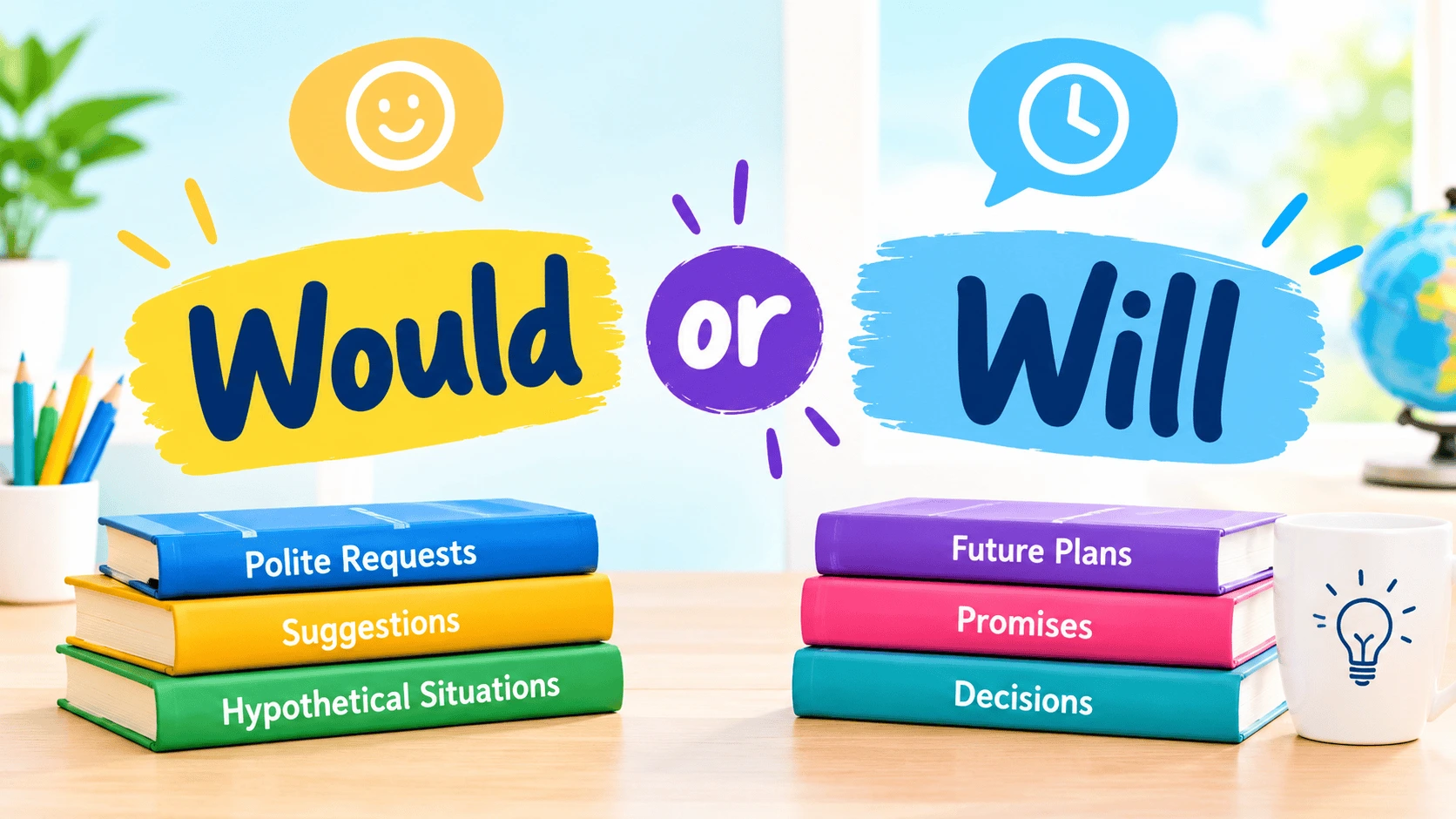
Would or Will: Which Is Correct?
“Would” and “will” are common English modal verbs that help us talk about the future, possibilities, intentions, and hypothetical situations. Although they may seem similar, … Read More
“Would” and “will” are common English modal verbs that help us talk about the future, possibilities, intentions, and hypothetical situations. Although they may seem similar, … Read More
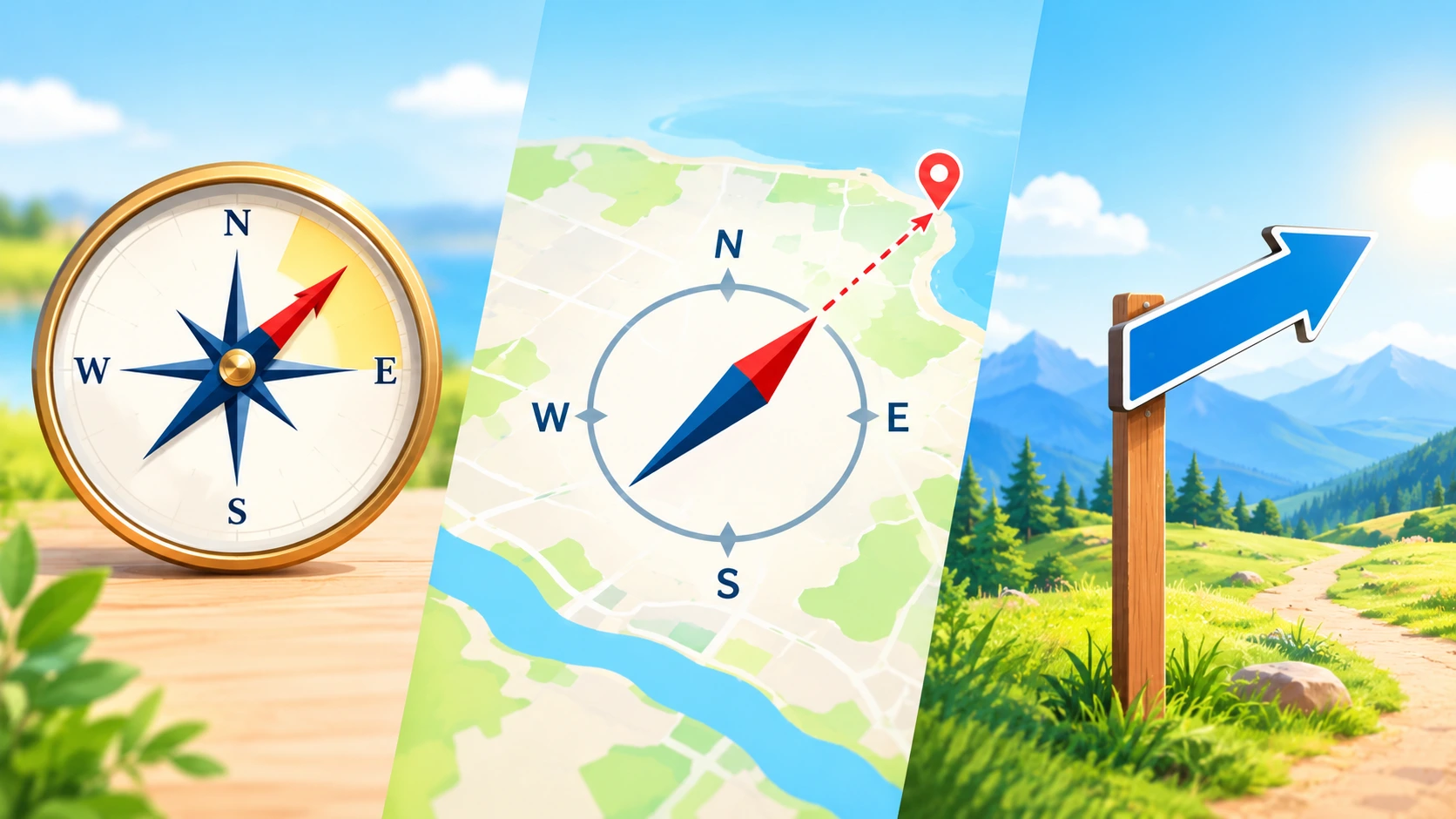
“Northeast” vs. “North East” vs. “North East” can be confusing because all three forms look similar and refer to the same general direction. However, the … Read More
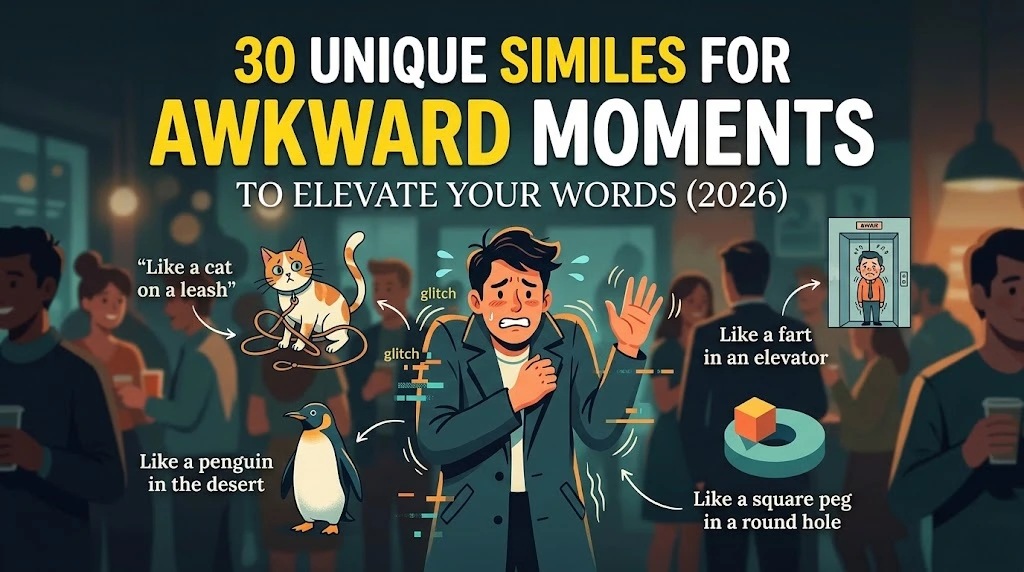
Awkward moments can feel difficult to describe, but the right simile can make them vivid, relatable, and even funny. Similes for Awkward help writers turn … Read More
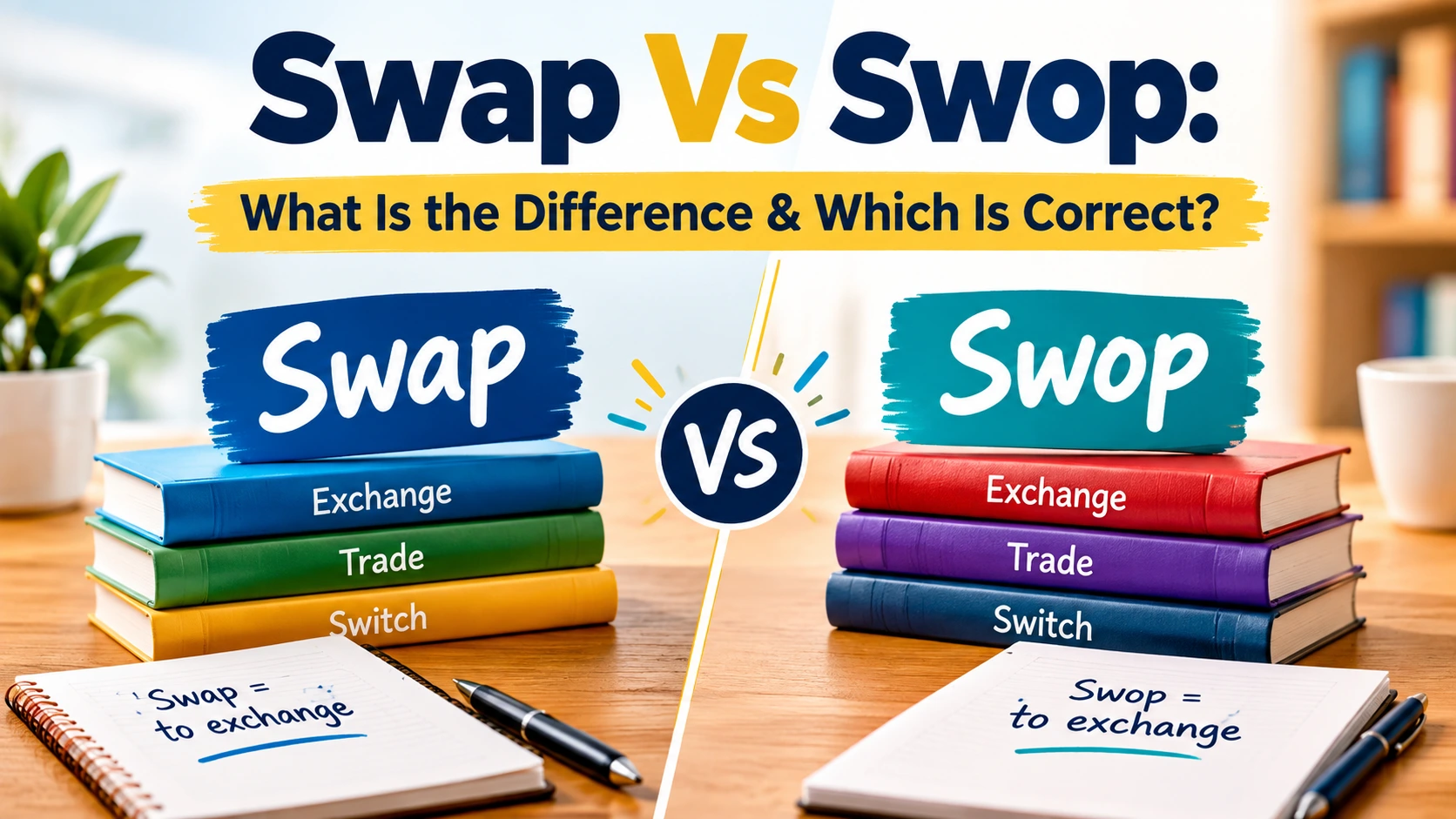
“Swap” and “swop” have the same basic meaning: to exchange one thing for another. The main difference is usage and regional preference. Swap is the … Read More
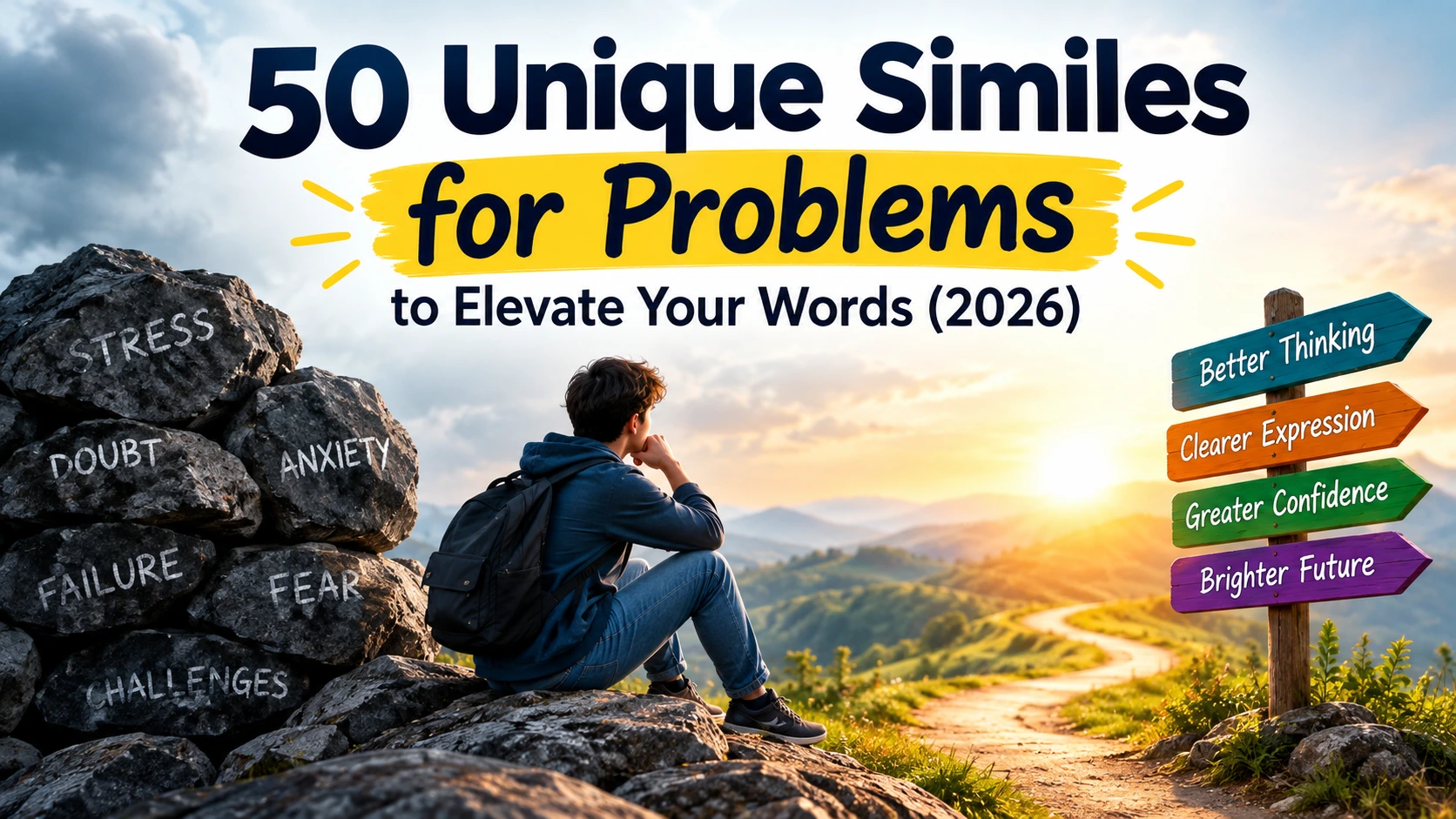
Problems are a natural part of life, but finding the right words to describe them can make your writing more vivid and memorable. Similes for … Read More
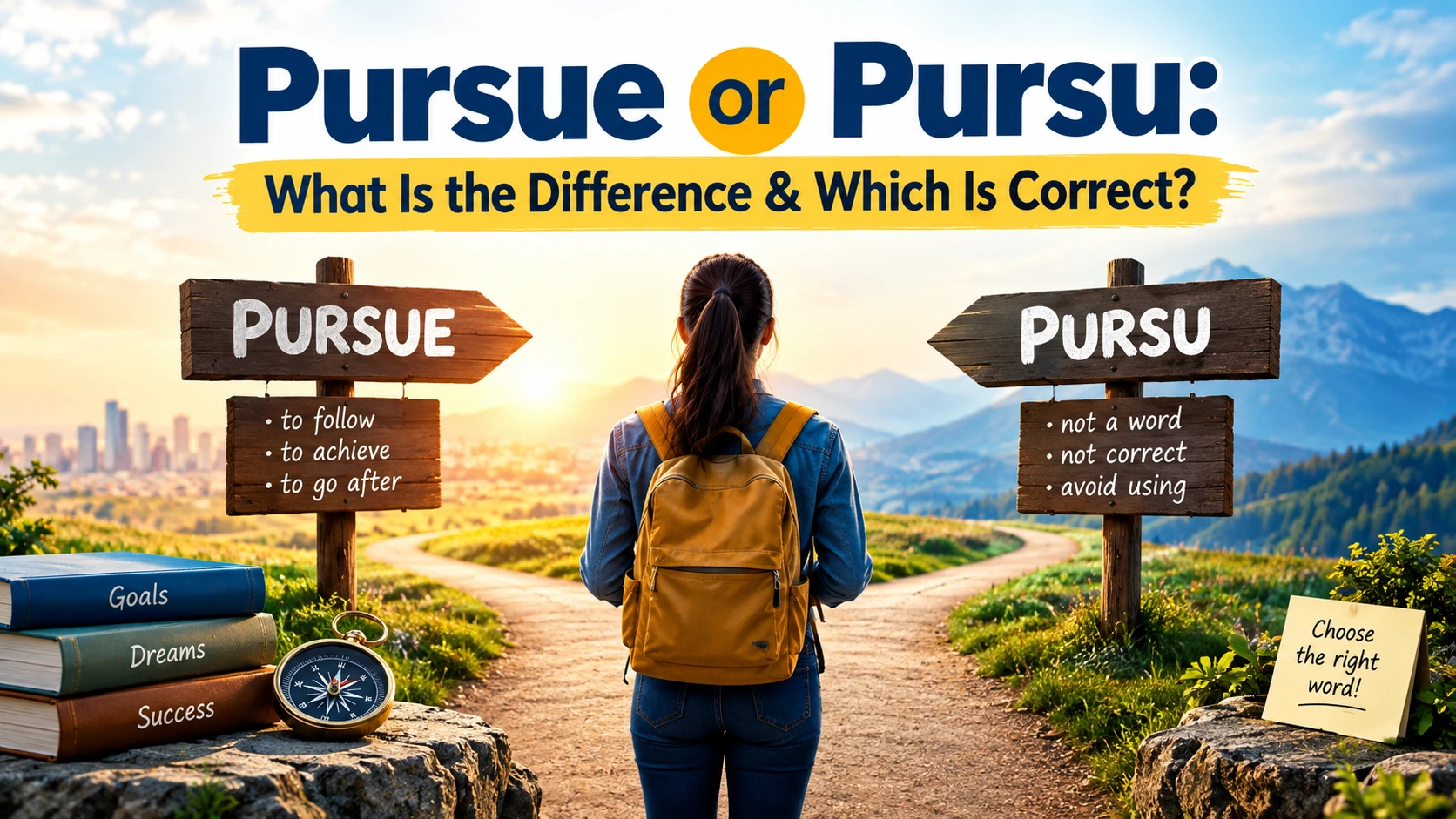
Many English learners confuse pursue and pursu because they look and sound similar. However, only one of these words is correct in standard English. Understanding … Read More
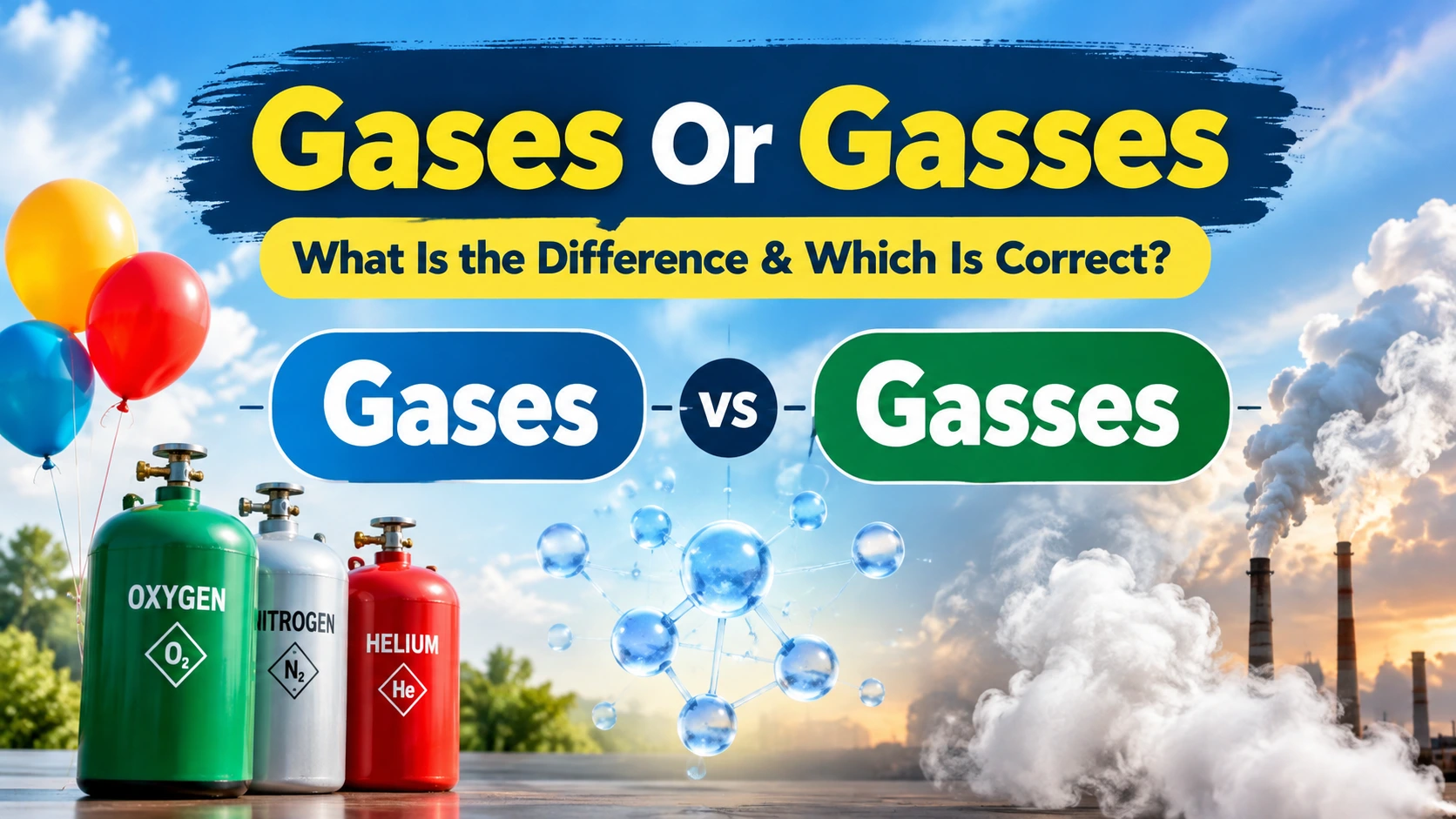
Many English learners get confused by gases and gasses because they look almost identical. However, they have different meanings and are used in different situations. … Read More

Many people confuse Sweet Vs Sweat because the two words sound alike but have completely different meanings. Sweet describes something pleasant, kind, or sugary, while … Read More
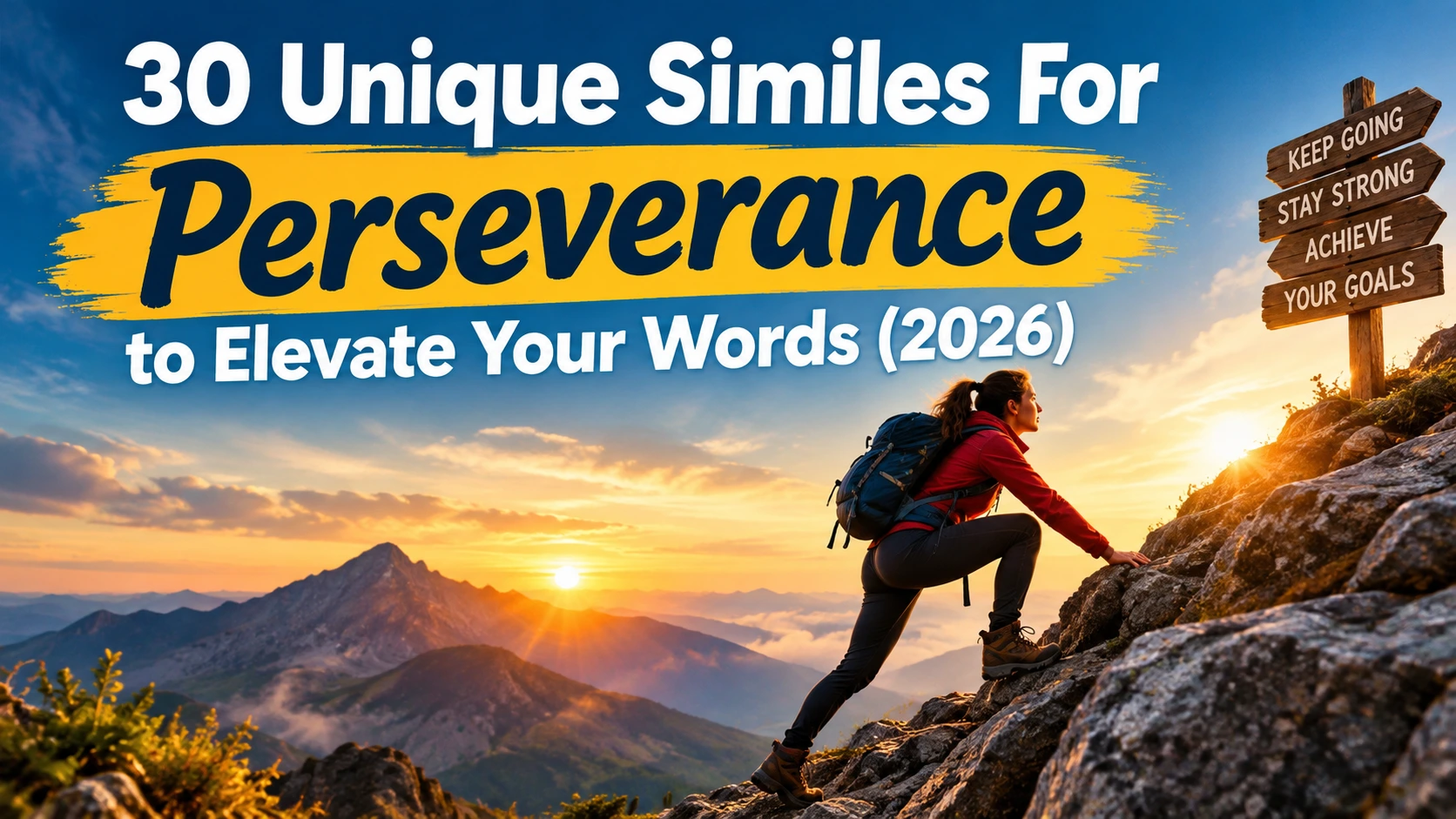
Similes For Perseverance help writers describe determination, resilience, and the ability to keep going despite obstacles. They make stories, speeches, essays, and everyday conversations more … Read More
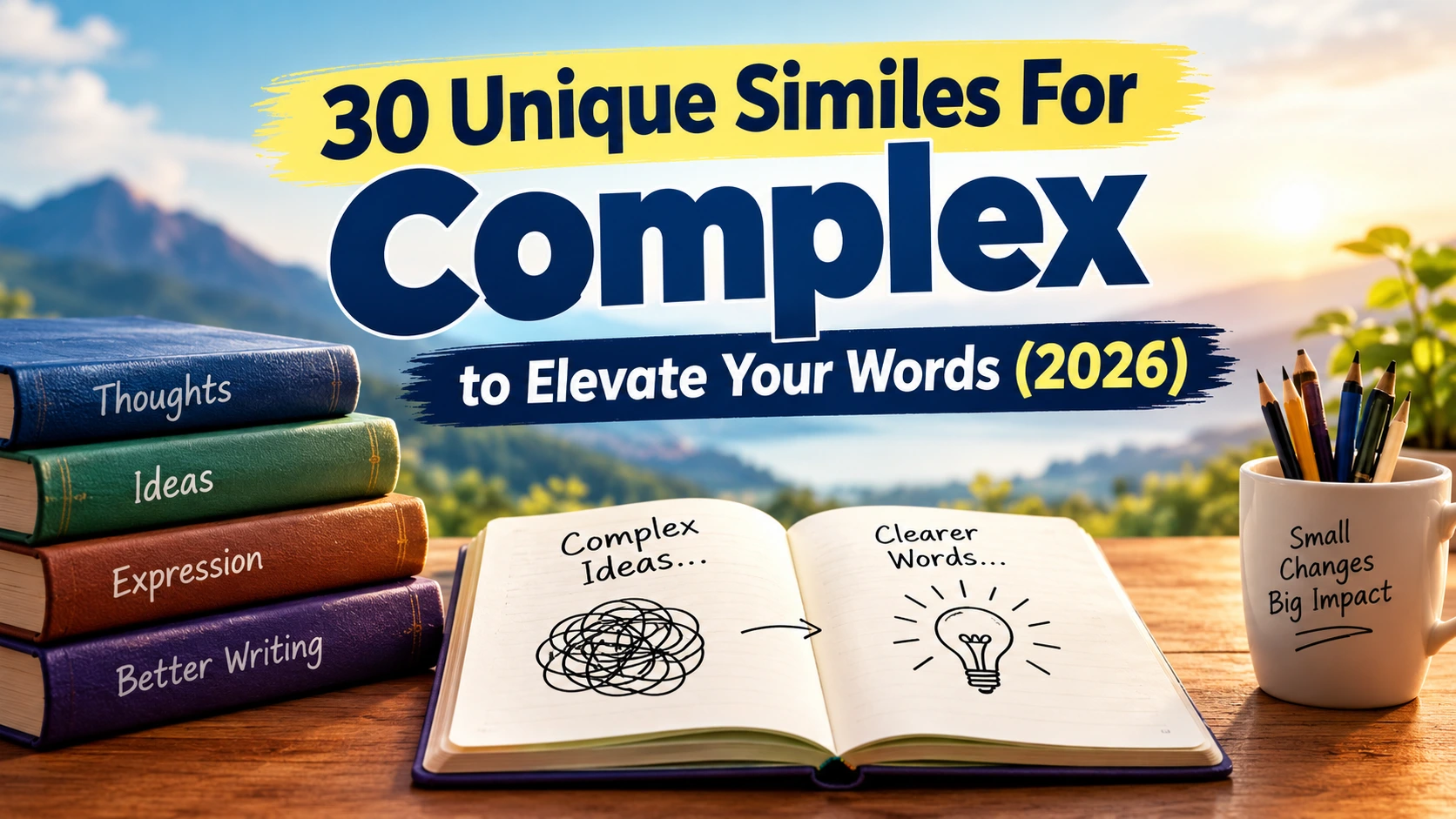
Writing becomes stronger when you use comparisons that paint a clear picture. Similes for complex ideas help readers understand difficult ideas, confusing situations, and layered … Read More
Gramvera is a welcoming space for anyone who loves meaningful words and powerful expressions. Our collection brings together thoughtfully selected quotes memorable sayings, and inspiring ideas for everyday life.
Contact Us